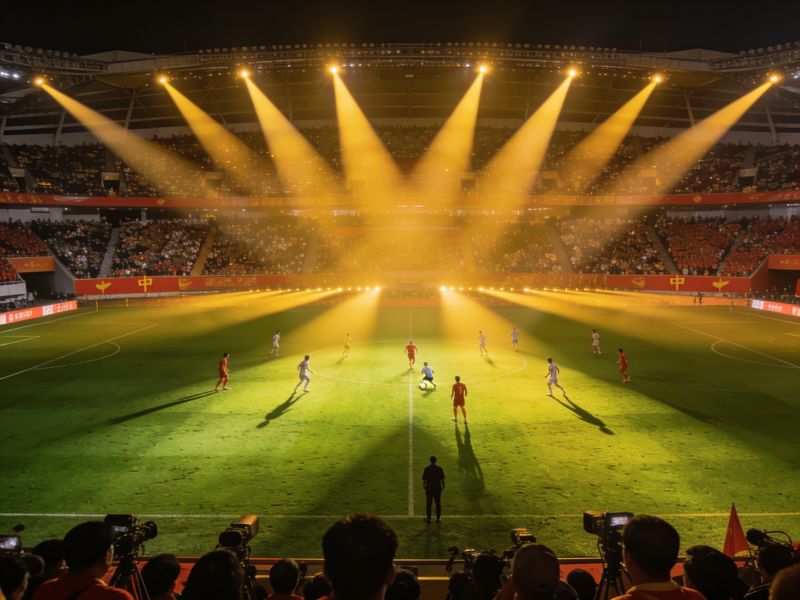
Yokohama F. Marinos secured a 3-1 aggregate victory over Shandong Taishan in the AFC Champions League quarterfinal, ending the Chinese club’s run with a controlled second-leg performance. The tie, widely followed as AFC Champions League: Shandong Taishan vs Yokohama F. Marinos。exposed a clear contrast in attacking efficiency. Shandong created several promising moments across both matches, but Yokohama punished defensive gaps with greater precision. The Japanese side carried a 2-1 advantage into the return fixture and refused to surrender that cushion. For Shandong, AFC Champions League: Shandong Taishan vs Yokohama F. Marinos became a test of whether domestic confidence could survive against a faster, more technically demanding opponent.

The opening match in Jinan offered Shandong genuine hope. Its players pressed aggressively during the early stages, using the noise from the home crowd to push Yokohama backward. Yet Marinos found space behind the full-backs and repeatedly attacked the channels. Anderson Lopes proved particularly difficult to contain, combining sharp movement with a willingness to shoot before the defense could reset. Shandong’s response was spirited。but the home side often turned promising possession into hopeful deliveries rather than clear chances. That pattern shaped AFC Champions League: Shandong Taishan vs Yokohama F. Marinos from the start. Yokohama did not dominate every minute, but it handled the dangerous moments with a calmer touch and left China with the advantage it needed.In the return leg, Shandong required an early goal to change the emotional temperature of the contest. Instead, Yokohama slowed the game whenever pressure began to build, then accelerated through midfield once Shandong committed extra players forward. The Japanese club’s passing was not always spectacular。but it was purposeful. A short exchange could draw two defenders out of position;one direct run would then open the flank. AFC Champions League: Shandong Taishan vs Yokohama F. Marinos showed how small decisions can decide a two-leg tie. Shandong’s midfielders worked hard and won several second balls, yet the team lacked the final pass that might have turned effort into a decisive opening. Yokohama’s defensive line, protected by disciplined midfield work, rarely lost its shape for long.Shandong’s most frustrating moments came when it reached the edge of the penalty area but hesitated. Crosses arrived without enough targets, while shots were often blocked before they troubled the goalkeeper. The team’s best spells came when it played quickly through the center, but those passages were too brief. In AFC Champions League: Shandong Taishan vs Yokohama F. Marinos, the Chinese side looked more dangerous when it trusted its passing rather than relying on individual improvisation. Yokohama。
by contrast, appeared comfortable defending a narrow lead. Its players were willing to concede territory, but they protected the central zones and forced Shandong toward lower-percentage attempts. That tactical choice carried risk, particularly in a hostile atmosphere, but Marinos managed the pressure without losing its attacking threat.The result leaves Yokohama F. Marinos with a place in the semifinals and gives Shandong Taishan a difficult but useful reference point. AFC Champions League: Shandong Taishan vs Yokohama F. Marinos was not decided by a single dramatic collapse;it turned on repeated details—movement without the ball, defensive spacing, and the ability to convert one good opportunity. Shandong showed enough competitiveness to make the tie uncomfortable。especially during its strongest home spells, but Yokohama looked more prepared for the tournament’s highest-pressure moments. The outcome of AFC Champions League: Shandong Taishan vs Yokohama F. Marinos also underlined the narrow margin separating an energetic performance from a winning one. For Shandong, the next step is clear: sharper finishing, quicker recovery after losing possession, and greater composure when the game becomes stretched.